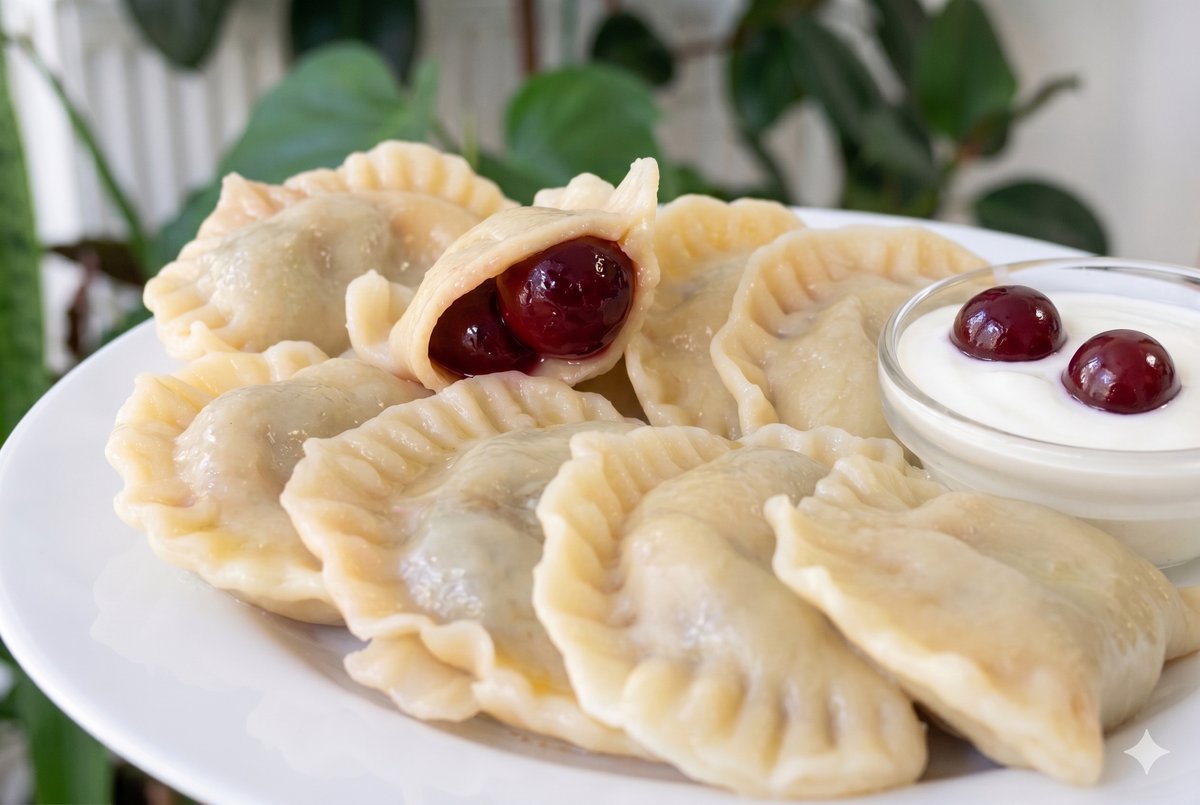
Beef Stroganoff with Tenderloin
The sauce contains heavy cream, Dijon mustard and a touch of tomato paste, and is bound with the juices released by the meat when seared. Using cognac to deglaze adds depth without any alcohol flavor.
Restaurant-quality stroganoff: the beef stays remarkably tender and the sauce comes out silky, balanced between the mustard and the cream.
Sear the strips in batches. An overcrowded pan drops in temperature, the meat releases its juices and boils instead of browning — and once that happens there is no getting the crust back.
And the beef goes back in only at the very end, for one minute over the lowest heat. It is already cooked; anything longer and the tenderloin turns to rubber in a sauce that was supposed to protect it.
Ingredients
- 600 g beef tenderloin, cut into thin strips
- 200 g mushrooms, sliced
- 1 onion, very finely chopped
- 1 garlic clove, chopped
- 1 tbsp tomato paste
- 1 tbsp Dijon mustard
- 150 ml heavy cream (double cream)
- 50 ml cognac or brandy (optional, to deglaze)
- Butter and olive oil
- Salt, pepper and sweet paprika
Method
- 1
Searing the beef: in a very hot skillet (frying pan) with a little butter and oil, sear the strips over high heat in batches. Do not overcrowd the pan or the meat will release its juices and boil instead of browning. Take them out and set them aside as soon as they have color.
- 2
Aromatic base: in the same pan, lower the heat and add the onion and the mushrooms. Cook until tender and lightly golden.
- 3
Deglazing: if you are using cognac, this is the moment. Pour it into the pan and carefully scrape the bottom to recover the flavor from the searing. Let the alcohol cook off for a minute.
- 4
Building the sauce: stir in the tomato paste, the mustard and the cream until combined. Season with salt, pepper and a pinch of sweet paprika.
- 5
Return the beef with all its juices to the pan. Stir gently for 1 minute over very low heat — just enough to warm it through and take on the sauce, without cooking it further. Take it off the heat, cover the pan and let it rest for 2 minutes before serving: that short pause lets the flavours settle and the heat spread evenly through the sauce, so the beef arrives at the table cooked to the same point all the way through.
Frequently asked questions
What is the best way to clean mushrooms?
Neither a dry brush nor a long soak: wash them whole, dry them well, and only then slice. The claim that they «soak up water like a sponge» has been measured, and it is a large exaggeration.
Do you slice the mushrooms whole, or should the stems come off?
Whole. On the common cultivated mushroom — the white button and the brown cremini alike — the stem is every bit as tender and flavourful as the cap, and it is close to a quarter of the mushroom, so there is no reason to throw it away. The only part to discard is the very tip of the base, where it is dry or still carries growing compost: a couple of millimetres with the point of a knife.
That is exactly what slicing means here: stand the whole mushroom up and cut it from top to bottom, straight through cap and stem in one pass. It is why the slices come out with that little umbrella shape. The exceptions are other mushrooms: shiitake stems are woody and belong in a stock, and on a large, mature portobello it is worth testing the stem with a fingernail first.
Slavic Cooking: Tradition, Technique and Comfort
Slavic cooking does something few other kitchens do as well: it turns simple ingredients into unforgettable dishes. Here are the Eastern European classics — from delicate syrniki to a warming buckwheat soup — each one written so the authentic, familiar flavor actually comes out. If you want food that warms from the inside and surprises your guests with something unfamiliar, this is the place.