What is alfajor?
The coating is what changes most from one alfajor to another: three chocolate-coated here and one glazed. In the one standing on its edge the dulce de leche shows.
An alfajor is two cookies with a filling in between, almost always coated on the outside. In Argentina it is the everyday sweet — the one for the school break, the kiosk, the afternoon mate — and the default filling is dulce de leche. What changes from one to another is the coating, the filling and how many layers it has.
The souvenir you bring back from a trip
In Argentina the alfajor is what you bring back from a trip. Every province has its artisanal version, and coming home from a holiday without a box to hand round the family is close to bad manners.
This is not a tourist-brochure idea: the regional versions really are different from one another — in the dough, the filling and the coating. An alfajor from Córdoba and one from Mar del Plata have nothing in common but the round shape.
Mar del Plata is the city that turned it into an industry and tied it forever to chocolate. Córdoba answers with sugar glaze and fruit paste. Santa Fe with a three-layer version. The Northwest adds the carob ones and those made with cane syrup, a different family of flavours altogether.
Where the name comes from
The word arrived with Spanish and comes from Andalusian Arabic. The most frequently cited etymology links it to a root meaning filling — exactly what defines an alfajor: what is inside, not the dough.
The Spanish alfajor, though, is something else. There it is an elongated sweet of honey, almonds and spices, closer to turrón than to what people eat in Buenos Aires. The Argentine alfajor — two round cookies and dulce de leche — is a local reinvention that kept the inherited name.
The types, by coating
Chocolate-coated. The most common one outside the home, in dark or white versions. The coating is thick and brittle: it is what makes that sound at the first bite.
Glazed. A sugar coating that dries into a white, crisp shell and cracks open like a rind. This is the one from Córdoba and the one from Santa Fe, recognisable from a distance.
Meringue-coated. Covered in dry meringue, lighter and airier than the glaze, even if at first glance they look alike.
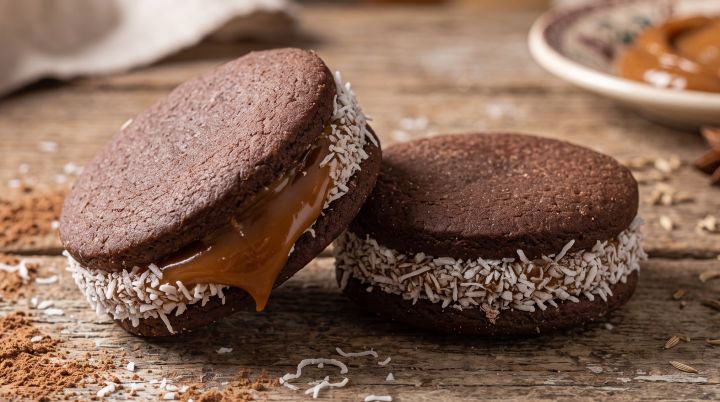
Cornstarch (maicena). The homemade one par excellence: very tender cornstarch cookies, dulce de leche in between and desiccated coconut pressed all around the rim. The only one on the list with no outer coating — the coconut does that job.
The fillings
Dulce de leche is the standard, by a wide margin: if an alfajor does not say otherwise, that is what is inside. Why that filling dominates is covered on the page about dulce de leche.
Then come fruit pastes — quince and sweet potato, above all in the glazed versions from the centre of the country —, chocolate mousses and ganaches, and hazelnut spreads, the most recent addition.
The filling decides more than flavour: it decides texture too. A firmer dulce de leche holds the layers without squeezing out at the sides; a softer one pushes them apart as soon as you press.
Single, double and triple
A single alfajor has two cookies and one layer of filling. The double adds another cookie and another layer, and the triple one more still.
It is not just quantity. Each extra layer shifts the ratio of dough to filling, and that is what you are really choosing: the triple from Santa Fe is almost all dulce de leche, held up by three thin sheets.
Making them at home
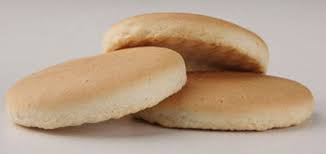
The starting point is the cookies: the chocolate alfajor cookies base recipe works as a base for any of the fillings.
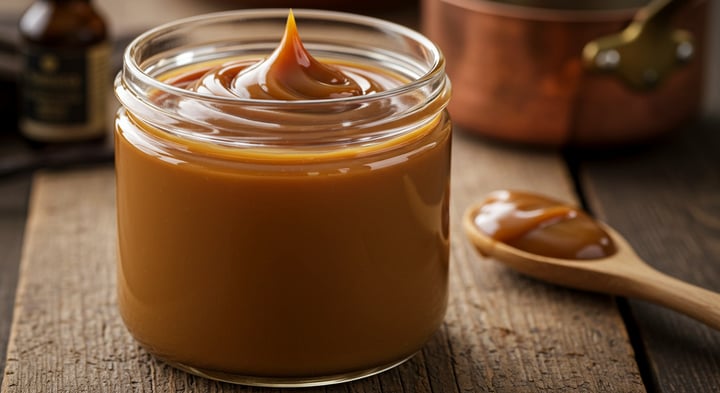
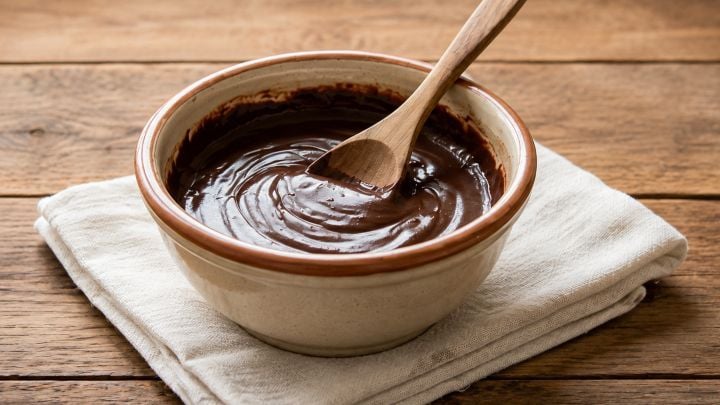
For the inside there are dulce de leche from scratch and the chocolate ganache for alfajores, whose ratio is set precisely so that it does not squeeze out at the sides.
And for the northwestern version, the carob alfajores swap the flour for carob and give something else entirely.
The recipes
Frequently asked questions
- What filling goes in an alfajor?
Almost always dulce de leche: it is the standard, and if the alfajor does not say otherwise, that is what is inside. There are also versions with fruit paste — quince or sweet potato —, with chocolate mousse or ganache, and with hazelnut spread.
- What is the difference between the Argentine and the Spanish alfajor?
They are two different sweets with the same name. The Spanish one is elongated, made of honey, almonds and spices, closer to turrón. The Argentine one is two round cookies with a filling in between, almost always dulce de leche, and coated on the outside.
- What is an alfajor de maicena?
The homemade one par excellence: two very tender cornstarch cookies, dulce de leche in between and desiccated coconut pressed all around the rim. It is the only type with no outer coating.
- Why does every Argentine province have its own alfajor?
Because it became established as a regional product and as a travel souvenir. Mar del Plata is associated with the chocolate coating, Córdoba and Santa Fe with the sugar glaze, and the Northwest with the carob and cane-syrup versions.
Updated on 2026-09-04T15:30:00.000Z