What is dulce de leche?
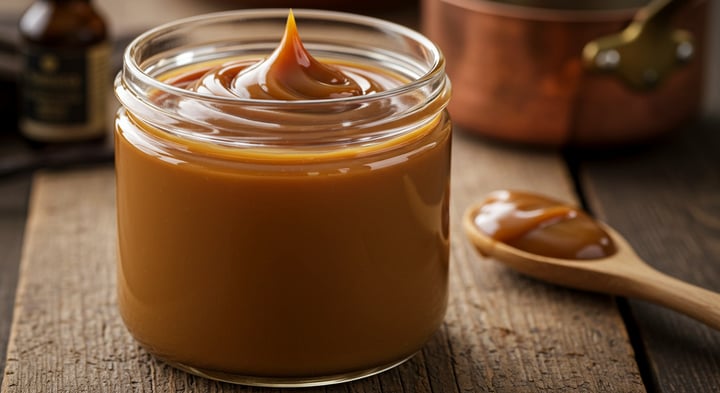
Dulce de leche is milk and sugar cooked over a low heat for hours, until the mixture thickens and takes colour. That colour and that flavour do not come from burning sugar — that is caramel — but from the Maillard reaction between the milk sugar and its proteins, the same one that browns bread or a steak. That is why dulce de leche tastes of cooked milk and not of burnt sugar. It is a product of the whole Southern Cone and much of Latin America, with a different name in almost every country.
Classic or pastry grade: this is what changes the result most
The practical distinction that matters before you buy. The classic is looser: it is the one you spread on bread and stir into coffee. The repostero (pastry grade) has more body, cuts with a knife and does not run: it is the one for filling alfajores, building cakes and holding a chocotorta together.
Using the classic where pastry grade belongs is the most common mistake: the cake slides apart or the alfajor drips. The other way round works better, even if it is harder to spread.
The difference comes from longer cooking and, in industrial versions, a little starch.
It is not caramel, and it is not condensed milk
Caramel is sugar melted and burnt, with no milk. It tastes more bitter and turns glassy as it cools.
Condensed milk is milk with water removed and sugar added, but without being cooked until it browns: it is white and much sweeter relative to the body it has. Boil a sealed can of it for two or three hours and you do get something very close to dulce de leche — in fact that is the most-used shortcut.
Cajeta (Mexico) is not the same either: it is made with goat milk, which gives it a tang that cow milk does not have.
The same sweet under eight names
Argentina and Uruguay call it dulce de leche and both claim the origin; the most repeated version places it at a ranch in Cañuelas in 1829, though there is no way to verify it.
In Brazil it is doce de leite, in Colombia and Venezuela arequipe, in Chile manjar, in Peru manjar blanco, in Ecuador manjar de leche, in Mexico the goat-milk variant is cajeta, and France has a close relative in confiture de lait.
They are not identical: density, degree of cooking and sometimes the milk itself change. But they are all the same idea — milk and sugar, time and patience.
Where to find it
In the United States and the United Kingdom it is not a supermarket staple: look in Latin American grocers, in the international aisle of larger stores, or online. Argentine and Uruguayan brands are the closest to what these recipes assume.
What you will often find instead is labelled "caramel spread" or "confiture de lait". They are close relatives, usually sweeter and looser — fine on toast, not reliable for filling a cake.
If you cannot find the pastry grade, the honest fix is the homemade one below: milk, sugar and baking soda, and you control how thick it gets.
The recipes
- Dulce de Leche – Argentine Milk Caramel from Scratch
How to make it from scratch: milk, sugar and patience, with the exact point to stop.
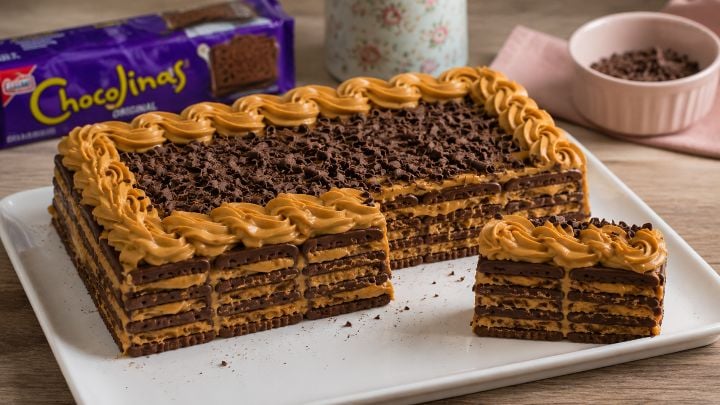 Chocotorta – Argentina's No-Bake Cookie Cake
 Dulce de Leche Flan – Argentine Caramel Custard
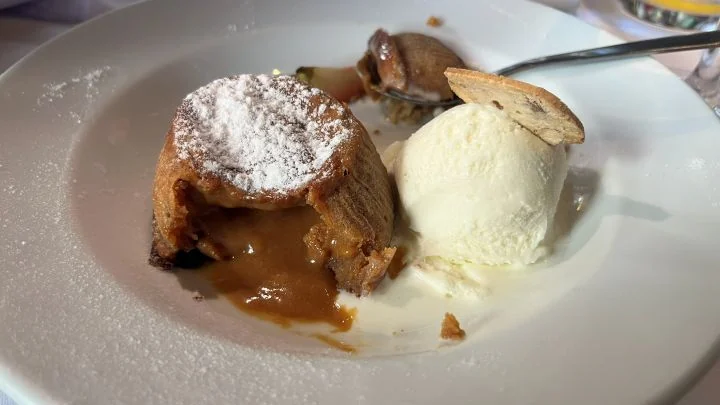 Dulce de Leche Lava Cake
 Dulce de Leche Mousse in a Glass
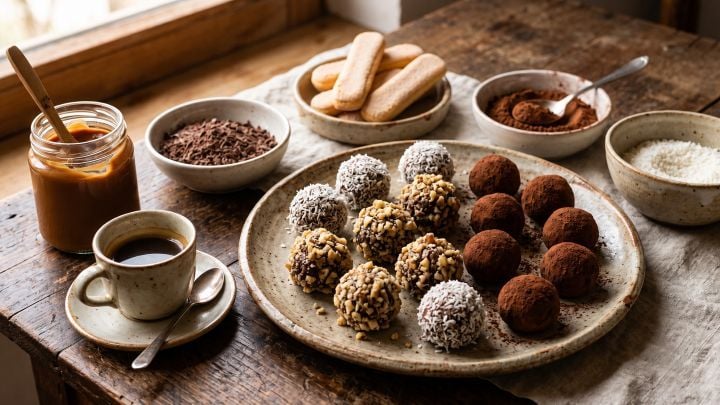 Dulce de Leche Truffles with Chocolate and Coffee
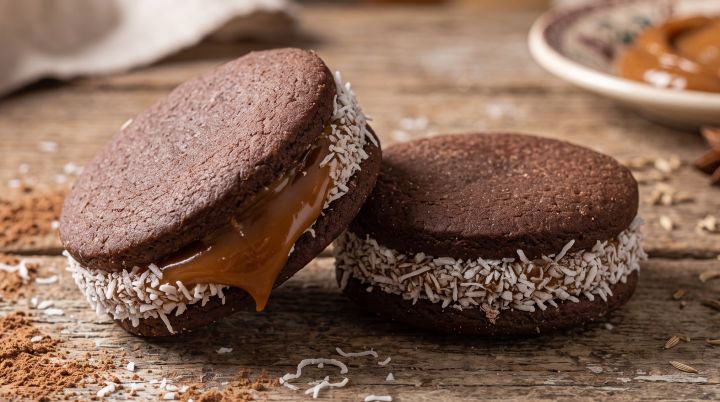 Carob Alfajores – Argentine Sandwich Cookies
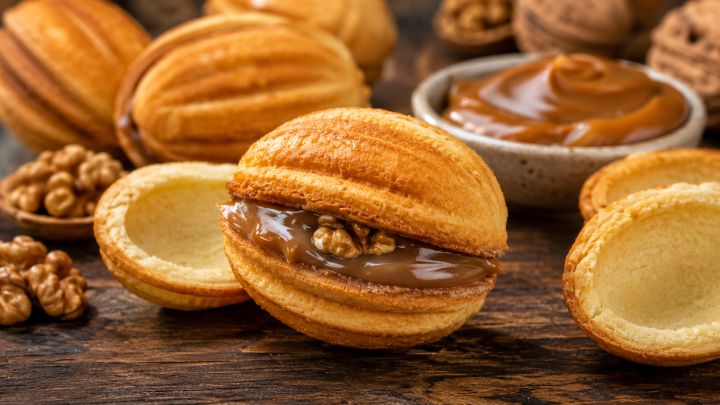 Oreshki – Russian Walnut Cookies with Condensed Milk
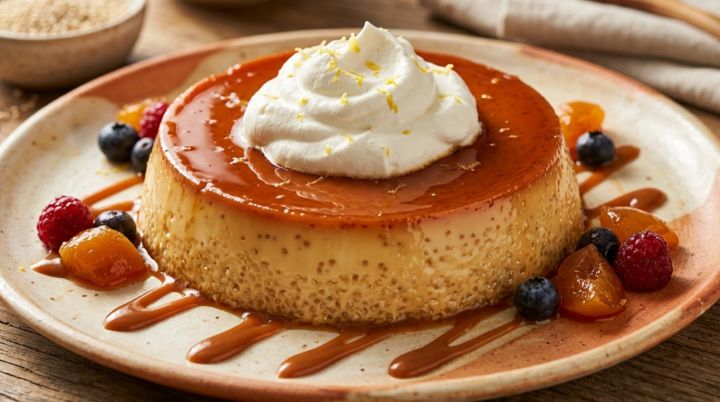 Quinoa Flan – Andean Caramel Custard
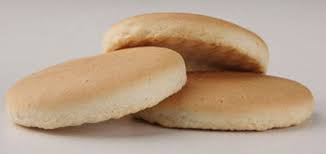 Chocolate Alfajor Cookies – Base Recipe
Frequently asked questions
- What is the difference between classic and pastry-grade dulce de leche?
The pastry grade is thicker and holds its shape: it is used for filling and for building cakes. The classic is looser and is the one for spreading. Using the classic where pastry grade belongs makes the filling run.
- Is dulce de leche the same as caramel?
No. Caramel is burnt sugar with no milk. Dulce de leche is milk and sugar cooked slowly, and its colour comes from the Maillard reaction, not from burning the sugar.
- Can dulce de leche be made from condensed milk?
Yes, it is the most common shortcut: boil the sealed can for two or three hours, always covered with water, and open it only once it is completely cold. The result is very close, though sweeter than one made from milk.
- How long does it keep once opened?
In the refrigerator and well covered, two to three weeks. Homemade keeps less than industrial because it has no preservatives.
Updated on 2026-10-02