What is
Dishes, ingredients and kitchen tools explained: where they come from, what actually goes in them and how they differ from what you already know.
Dishes
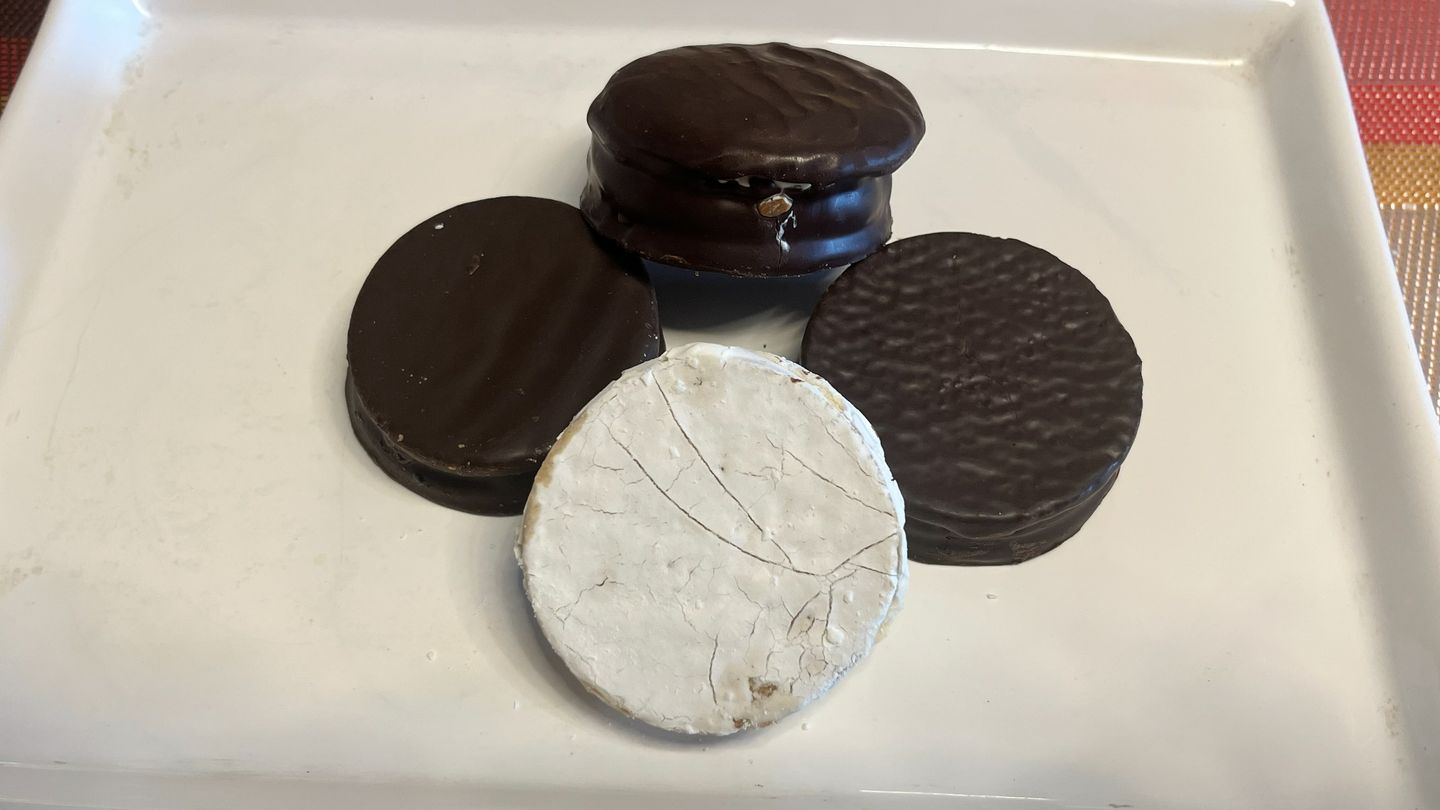
alfajor
Two cookies with dulce de leche in between. What types of alfajor there are by coating, why every Argentine province has its own, and where the name comes from.
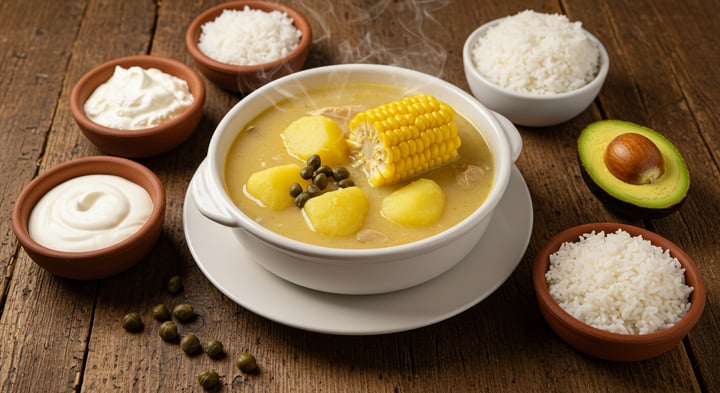
Ajiaco
Ajiaco is a Colombian soup of chicken, three kinds of potato and guascas, typical of Bogotá. Why it turns creamy without any cream, and why the same word names different dishes in Cuba and Peru.
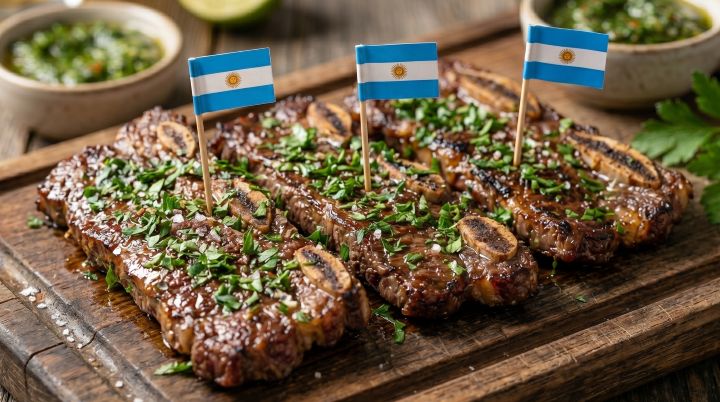
Asado Banderita
Asado banderita is short rib cut thin, 2 to 3 cm. Why it is called that, how it differs from ordinary asado de tira and why it is cooked differently.
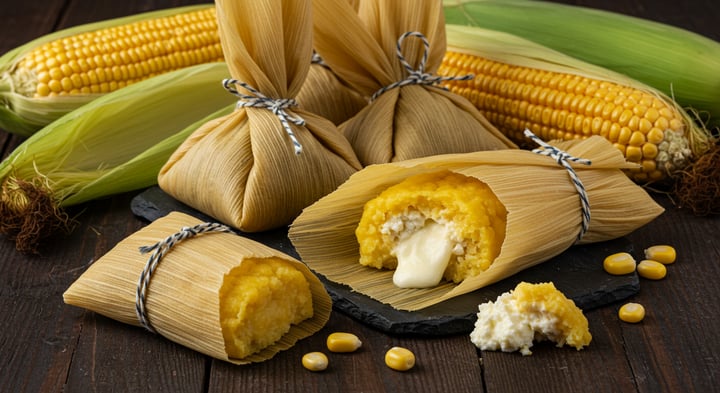
Humita
Humita is a seasoned, cooked mixture of grated fresh corn, typical of north-western Argentina and the Andes. The difference between humita and tamal, and between the husk and the pot version.
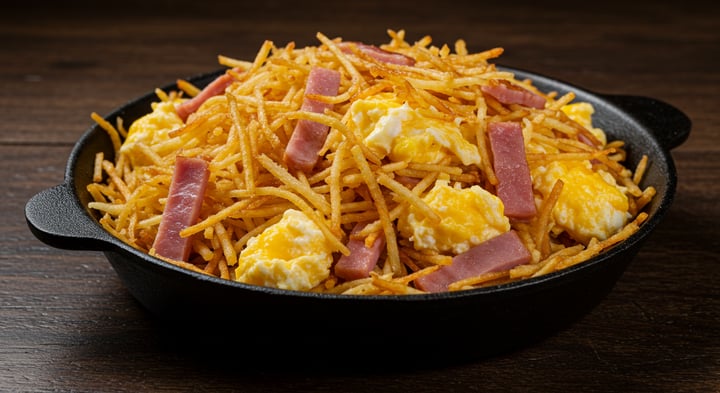
Revuelto Gramajo
Revuelto gramajo is an Argentine dish of shoestring potatoes, ham and eggs scrambled together in the pan. Where the name comes from and what the right point is.
Ingredients
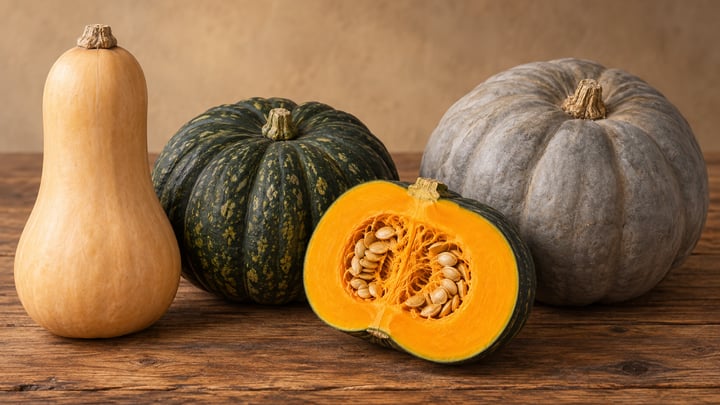
Winter squash
Butternut, kabocha, Hubbard, criollo, and the Halloween pumpkin: what sets each one apart, why the same fruit changes names, and which one is best for each recipe.
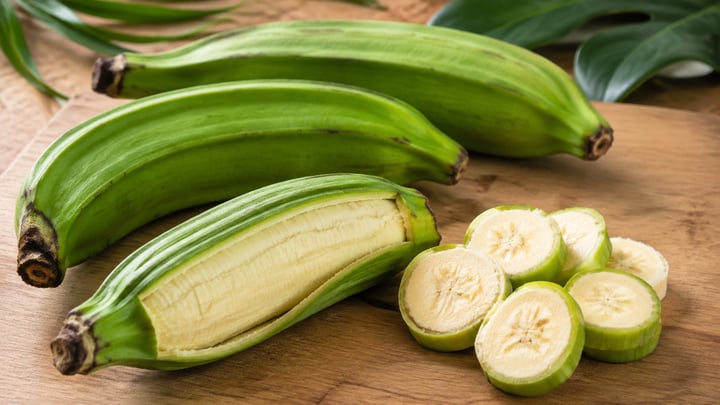
plantain
Not a green banana but a cooking variety of its own, never eaten raw. And green or ripe are two different ingredients, even though it is the same fruit.
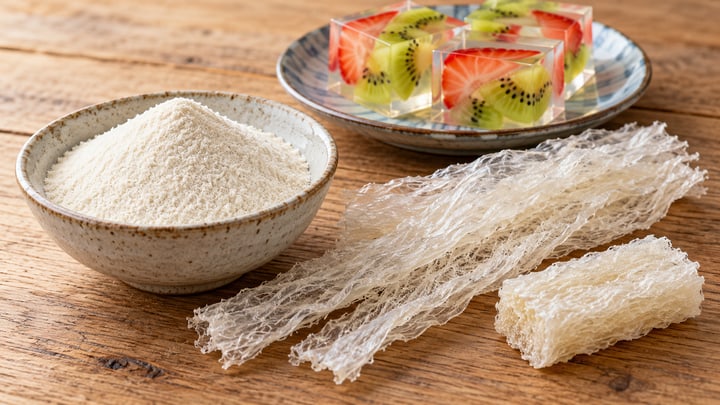
Agar-agar
Agar-agar is a gelling agent made from red seaweed. How it differs from gelatin, when to use each one and how to work with it without it failing.
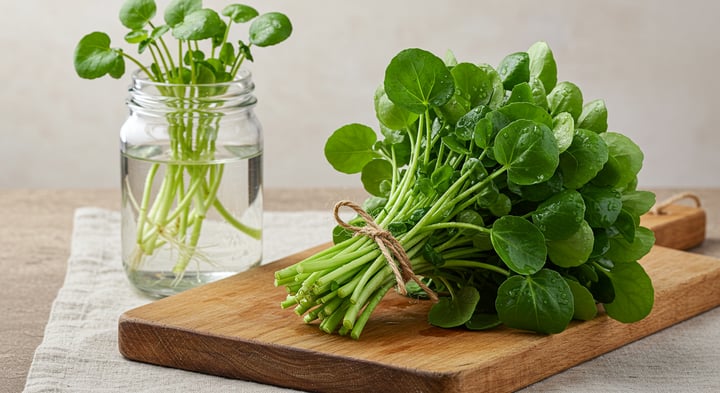
Watercress
Watercress is a peppery leaf, not a bitter one: it belongs to the mustard family. The difference between water and land cress, and how not to confuse it with chicory.
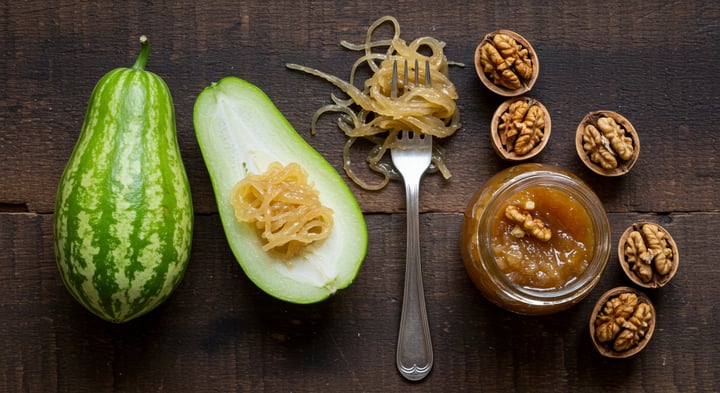
Fig-leaf gourd
Cayote is a squash whose flesh pulls apart into long strands. Cooked with sugar it makes the traditional preserve of north-western Argentina, the same one Spain calls cabello de angel.
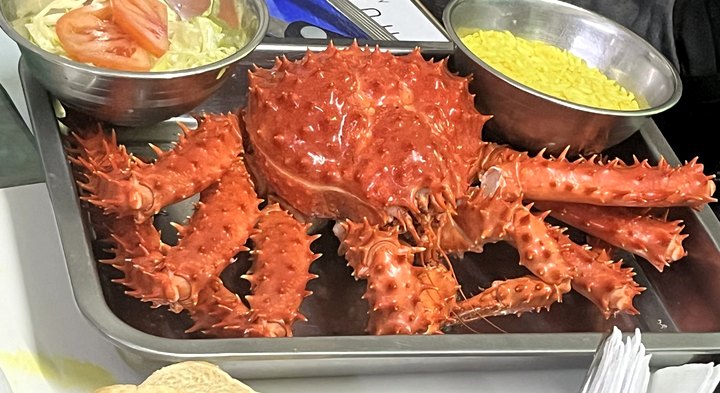
Southern king crab
Centolla, or southern king crab (Lithodes santolla), comes from the Beagle Channel at the tip of South America. It is not a true crab, and it is not the Alaskan king crab.
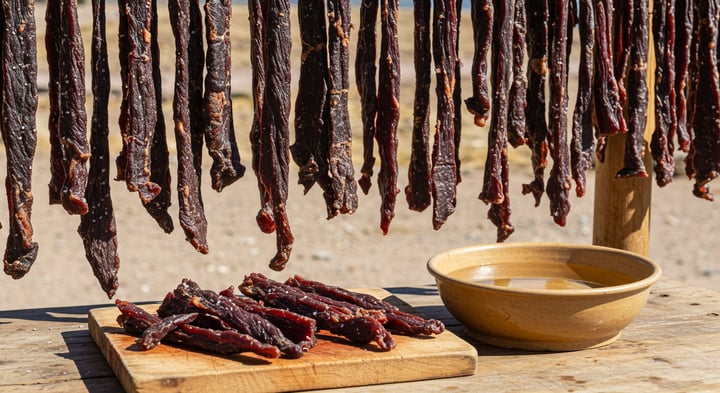
Charqui
Charqui is meat cut into thin strips, heavily salted and dried in the sun. It keeps for months without refrigeration and has to be desalted before cooking. Brazil calls it charque; it is not the same as carne de sol.
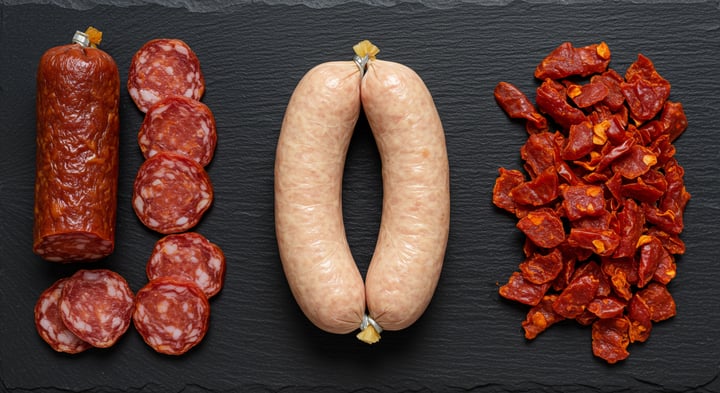
Chorizo
The word chorizo names three sausages that cannot stand in for one another: the fresh grilling one, the dry colorado and the Spanish cured one. How they differ.
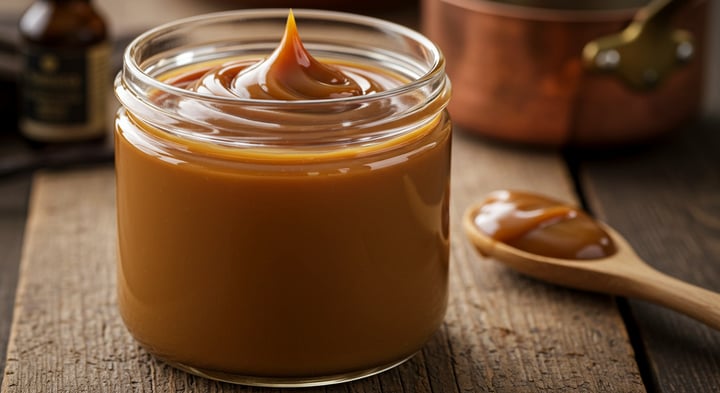
Dulce de leche
Dulce de leche is milk and sugar cooked slowly until they brown. It is not caramel and not condensed milk. The difference between the classic and the pastry grade, and what it is called in each country.
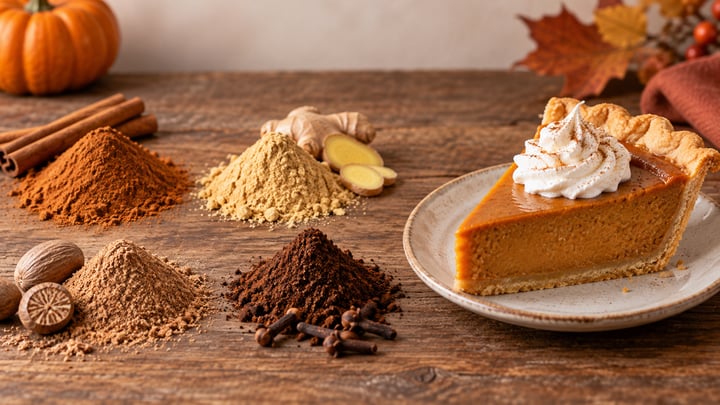
Pumpkin spice
The blend of cinnamon, ginger, nutmeg, and cloves that flavors the American pumpkin pie. What it contains, why it has no pumpkin, and how to make it.
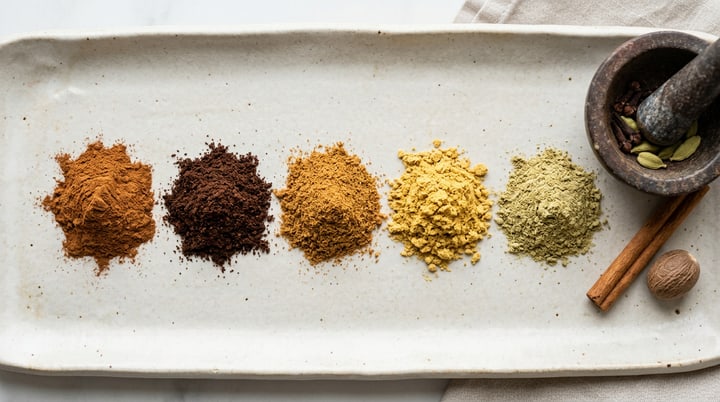
Christmas spice mix
Cinnamon, clove, nutmeg, ginger and cardamom: the blend that flavours Lebkuchen, stollen and pepernoten. What goes in, in what proportion, and why grinding it fresh matters.
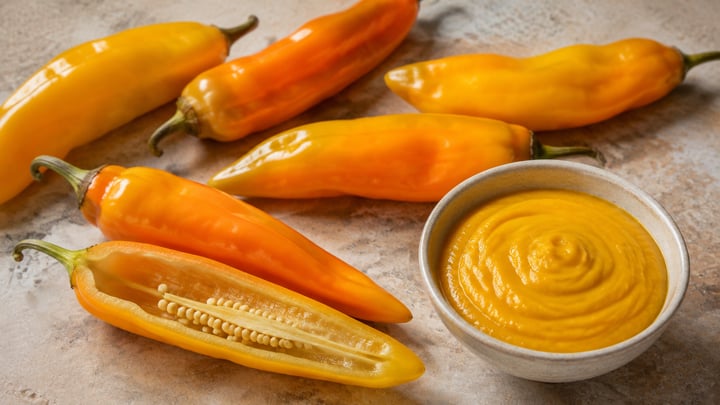
ají amarillo
The chilli that half of Peruvian cooking rests on: why it is milder than its reputation, what forms it comes in outside Peru, and what happens if you swap it for bell pepper.
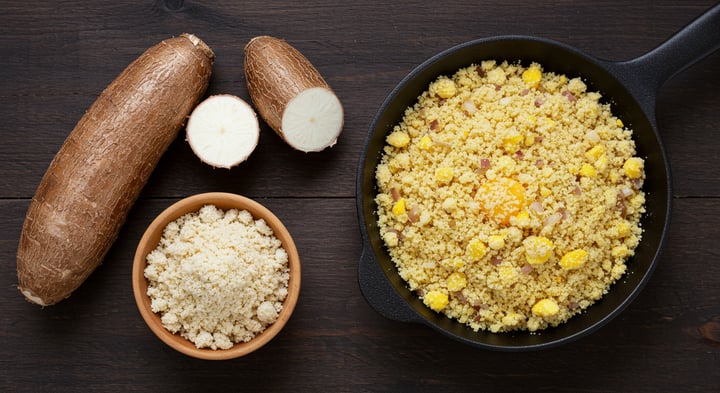
Cassava flour
Cassava flour is the grated root, pressed and dried, fibre and all. Tapioca is only its starch. They look alike and they behave in opposite ways.
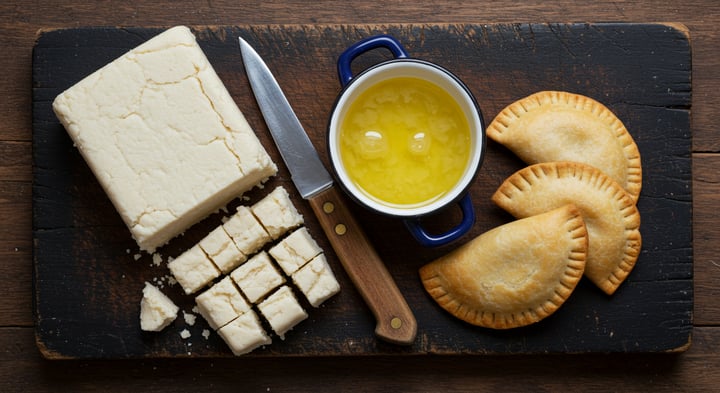
Beef suet
Grasa de pella is the beef fat around the kidneys, the purest and the one with the highest melting point. It is what defines the flavour of Salta empanadas and tamales.
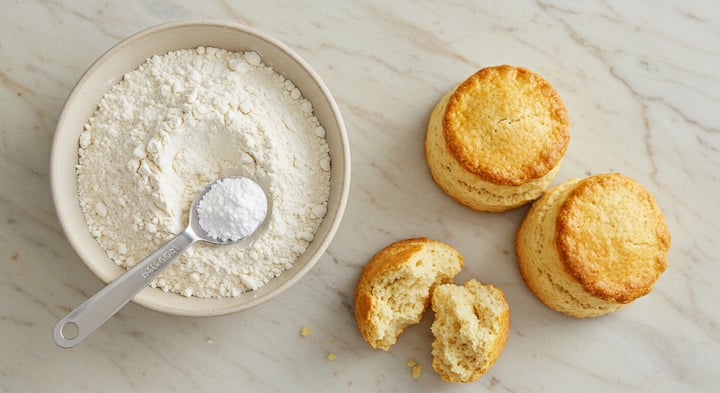
Self-raising flour
Self-raising flour is plain flour with baking powder already mixed in. You can replace it in 10 seconds with the right proportion, so there is no need to go out and buy it.
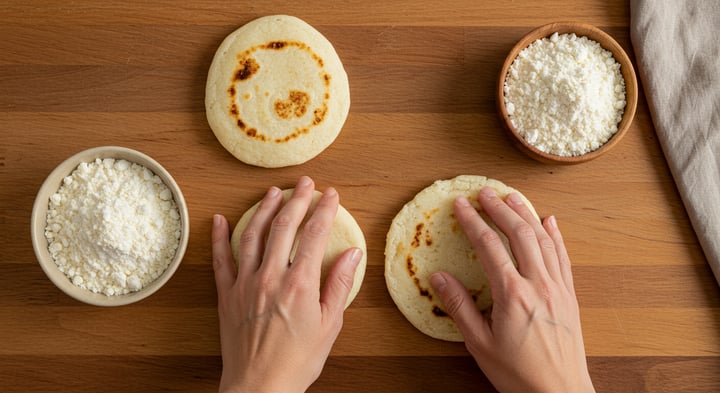
Precooked corn flour
Precooked corn flour is corn that has been cooked, dried and reground: it binds with cold water and no cooking. It is not polenta and not cornstarch, and there is no substitute for arepas.
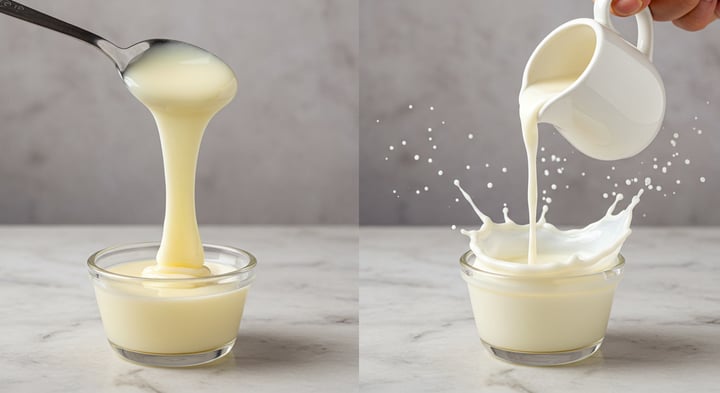
Condensed milk
Condensed milk is milk with water removed and sugar added. It is not the same as evaporated milk, and not the same as dulce de leche. What each one is for and how not to mix them up.
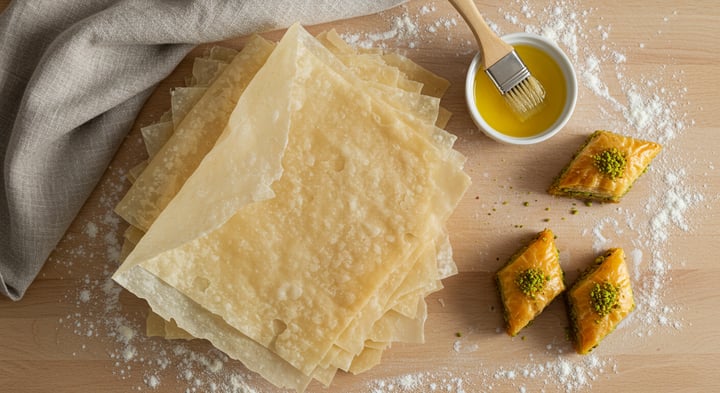
Filo pastry
Filo is paper-thin sheets of flour and water, with no fat in the dough. The layers are built by brushing butter between one sheet and the next, not by folding it into the dough as in puff pastry.
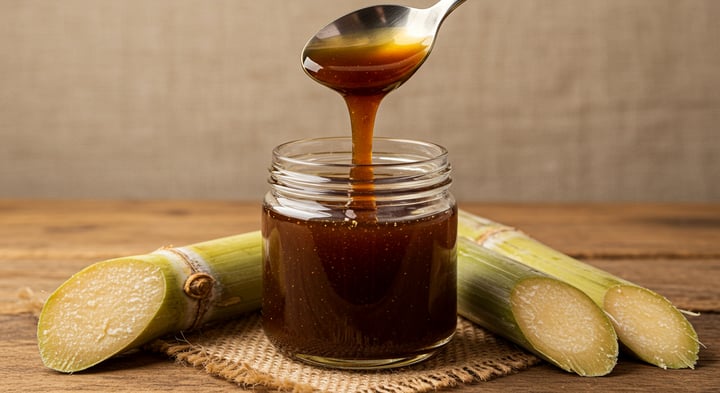
Cane syrup
Miel de cana is sugarcane juice boiled down until thick: dark, dense and less sweet than honey. It is not molasses, and the difference is in how each one is obtained.
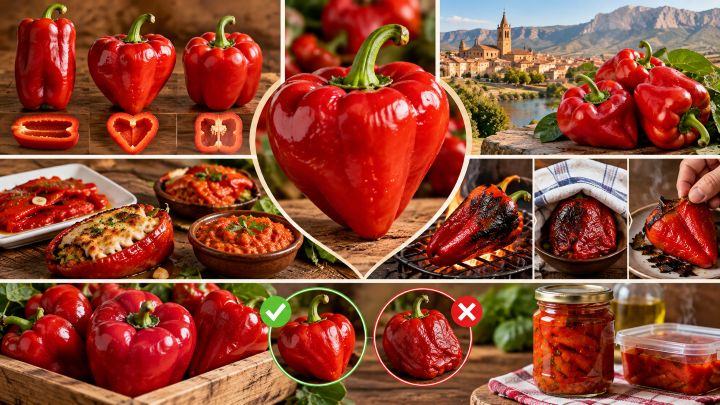
Calahorra pepper
The Calahorra is a heart-shaped sweet pepper with thick flesh. How to recognize it, where the name comes from, what it's good for and how to roast and peel it.
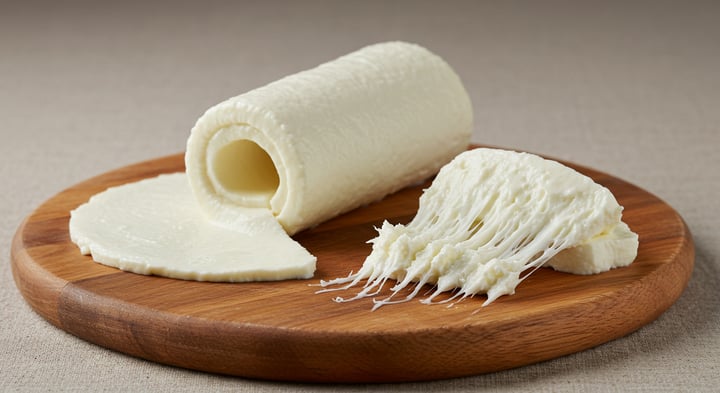
Quesillo
Quesillo is a fresh stretched-curd cheese sold in rolled-up sheets, typical of north-western Argentina. The same word names completely different things in Venezuela, Mexico and Nicaragua.
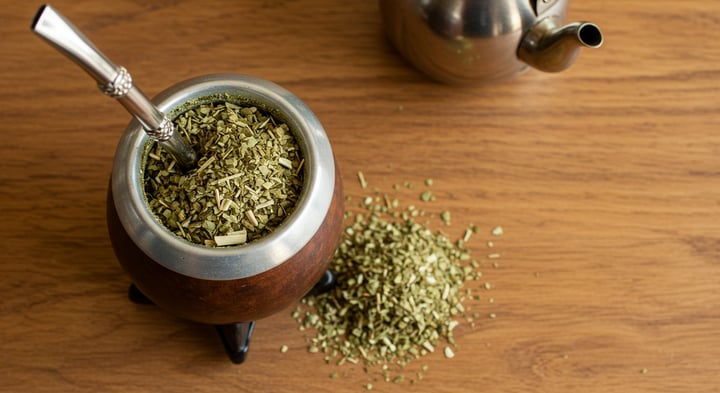
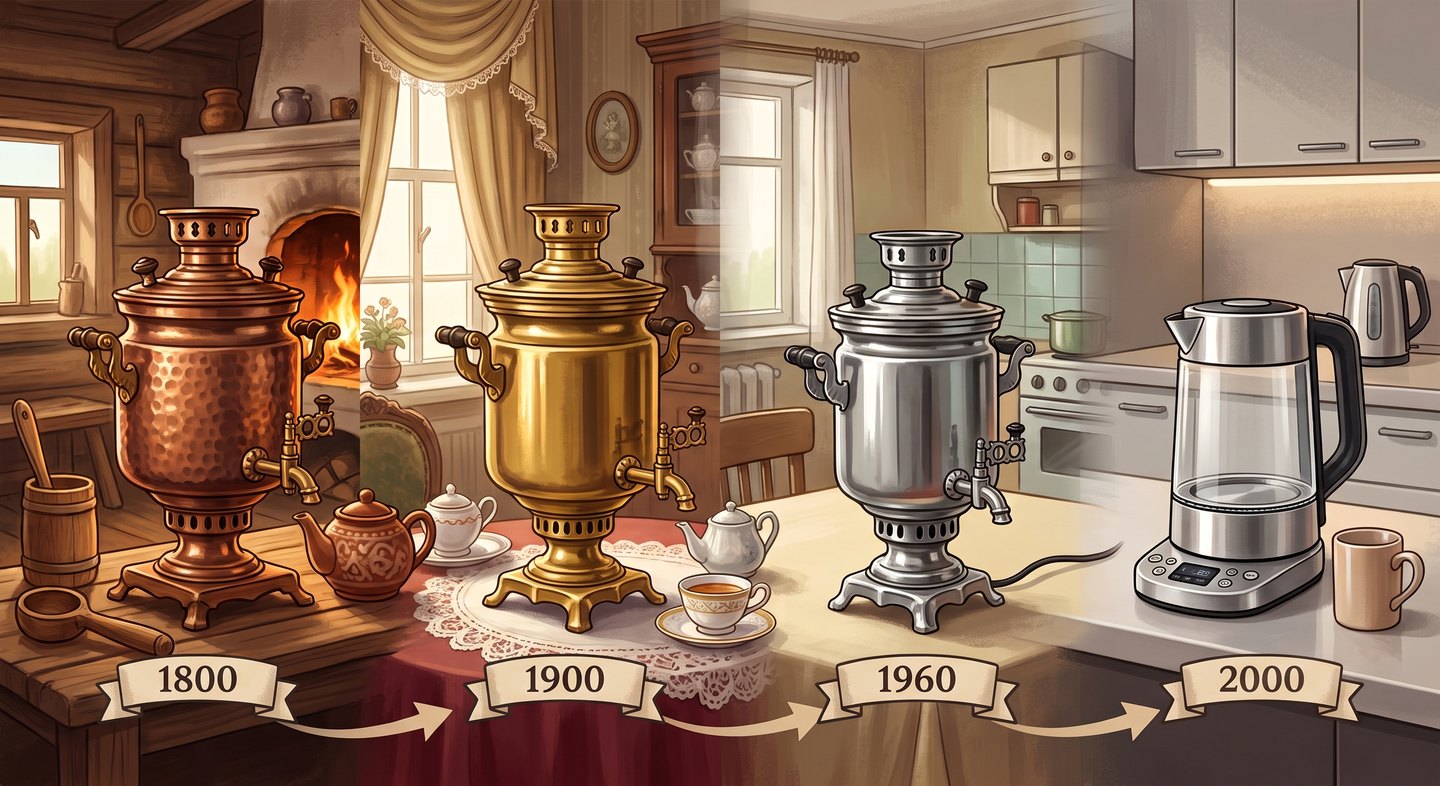
Yerba mate
Yerba mate is the dried, ground leaf of the Ilex paraguariensis tree. It is not a tea: the ritual, the vessel and the way you drink it are all different. With stems, without stems, and what to eat alongside.