What is winter squash?
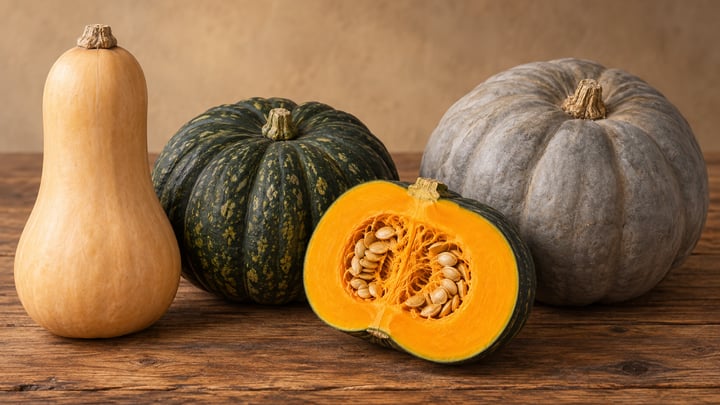
Winter squash and pumpkin are two names for fruits from the same family, the Cucurbitaceae family of the Cucurbita genus, and the boundary between them is not botanical but cultural. In Argentina, 'zapallo' is the general term, while 'calabaza' is used primarily for butternut squash; in Spain and Mexico, everything is called 'calabaza'. What does change significantly is the variety: there are dry, starchy squashes that make a thick purée and watery ones that are better for soup, and choosing the wrong one is the most common reason for a filling that fails to set.
The most common varieties
Butternut squash: elongated, with thin beige skin and orange, sweet, and fairly moist flesh. It is hollow only in the round part; the neck is solid flesh, which is why it is so efficient when cut into cubes. It works well roasted, in purées, and in creamy soups like butternut squash soup.
Kabocha (Japanese pumpkin): round and flattened, with dark green skin and light speckles. Its flesh is the driest, starchiest, and sweetest of all: it makes the thickest purée and is the best at holding a filling. The skin is edible when cooked. This is the variety used for stuffed squash.
Hubbard squash: large, with a grey-blue, extremely hard skin and firm, yellow flesh. It is a storage squash—it lasts for months whole—and is the traditional choice for locro.
Criollo: large, usually sold in pieces. Its flesh is less sweet than the kabocha and is used in dishes where the squash needs to break down and provide body, such as humita in a pot.
Halloween pumpkin: round, orange, with thin skin and thin walls. It is selected for carving, not for eating: its flesh is watery and lacks flavor. In the Northern Hemisphere, it is everywhere in October; in the Southern Hemisphere, it is rarely found. For carving, see the lantern tip.
Dry or watery: what determines the result
The difference that matters in the kitchen is how much water and starch the flesh contains. Dry, starchy squashes, such as kabocha and butternut, make thick purées, fillings that set, and roasts that brown well. Watery ones are better for soups and stews, where the water content is not an issue.
This is why pumpkin pie with mascarpone combines butternut and kabocha: the moist sweetness of one and the body of the other. And this is why in the United States, canned purée for pumpkin pie is not made with Halloween pumpkins but with dense-fleshed varieties, relatives of the butternut.
Cooking method also affects water content: roasted, the squash loses water and concentrates flavor; boiled, it absorbs it. For purées, pies, and breads, it is best to roast it in halves, cut-side up.
Three species, many names
Almost all edible squashes come from three species. Cucurbita maxima includes the kabocha and the Hokkaido squash sold in Europe; Cucurbita moschata includes the butternut and most dense-fleshed varieties for purée; Cucurbita pepo includes the Halloween pumpkin and also the zucchini, which is the same species but harvested young.
The cayote, used for sweets in the northwest, belongs to a fourth species, Cucurbita ficifolia. Names change by country: what is 'anco' here is 'calabaza violín' in Spain and 'butternut' in English; the 'cabutia' is the 'kabocha' of Japan.
How to choose and store it
Butternut and kabocha are available year-round; storage squashes, like the Hubbard, are primarily available in autumn and winter. Choose one that feels heavy for its size, with hard skin, no bruises or soft spots, and a dry, firm stem.
Whole, in a cool, dry, and dark place, it lasts for weeks, and hard-skinned varieties for months. Once cut, it should be kept in the refrigerator wrapped in plastic film and used within 4-5 days. Cooked and puréed, it freezes very well.
The recipes
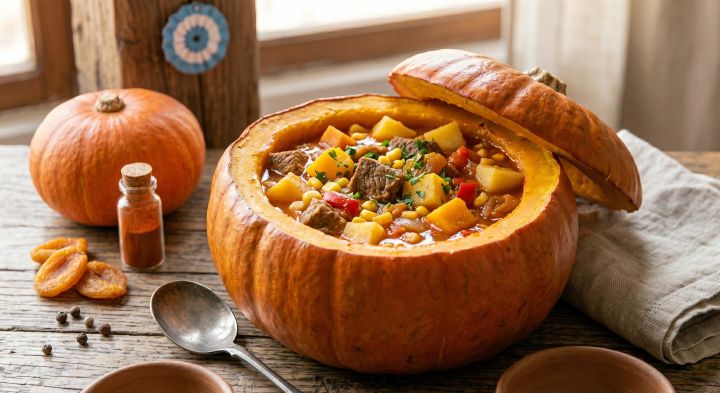 Carbonada Criolla – Argentine Stew in a Pumpkin
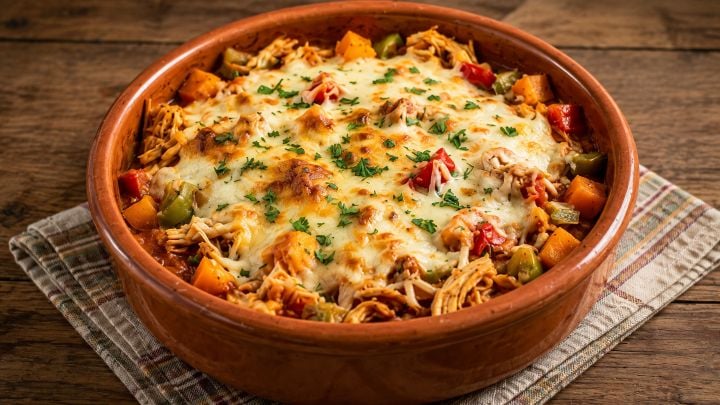 Baked Chicken Casserole
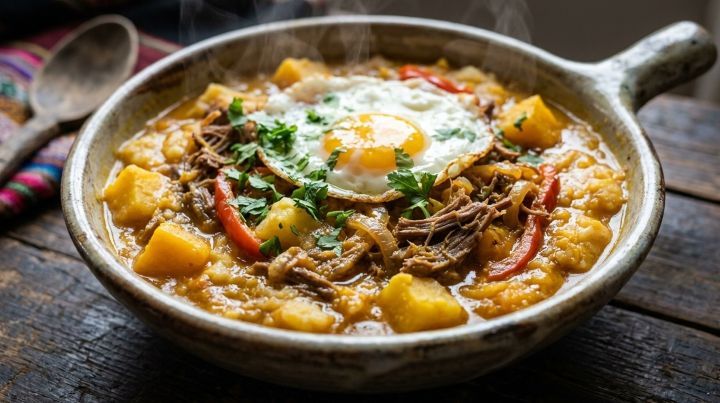 Charquicán – Andean Stew with Dried Beef and Squash
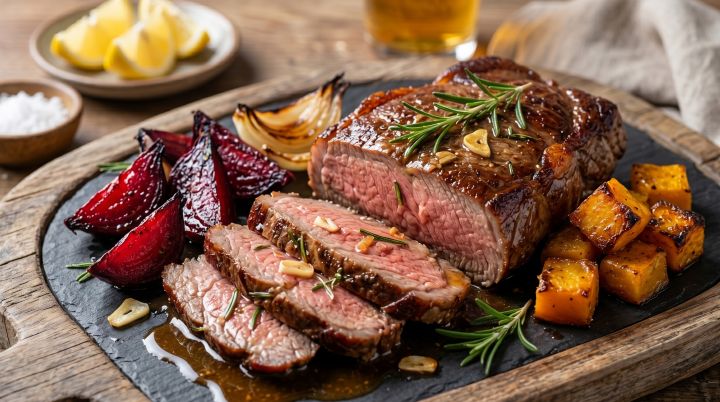 Herb-Larded Rump Roast with Roasted Vegetables
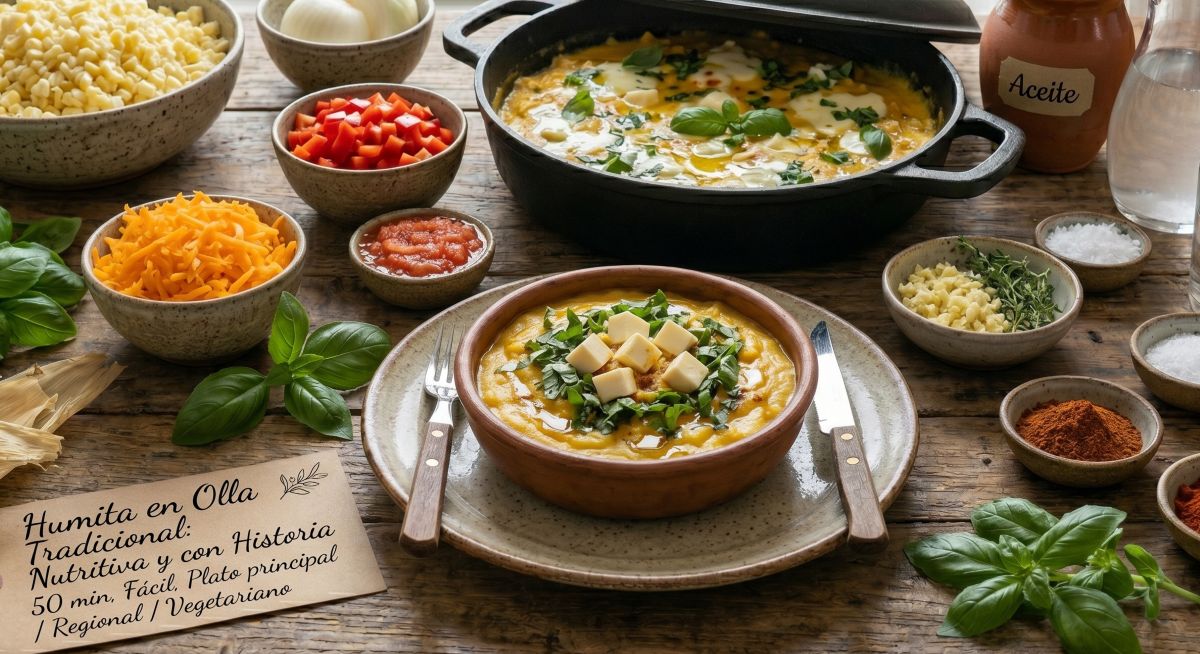 Humita en Olla – Creamy Corn Stew with Cheese
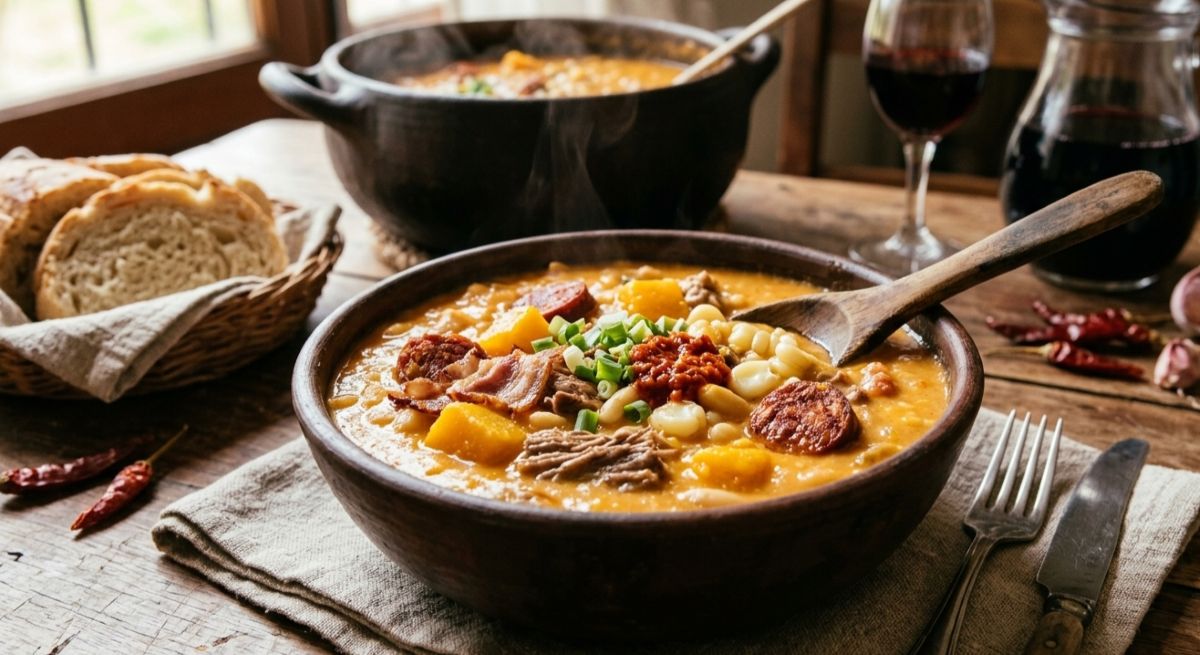 Locro – Argentina's National Stew
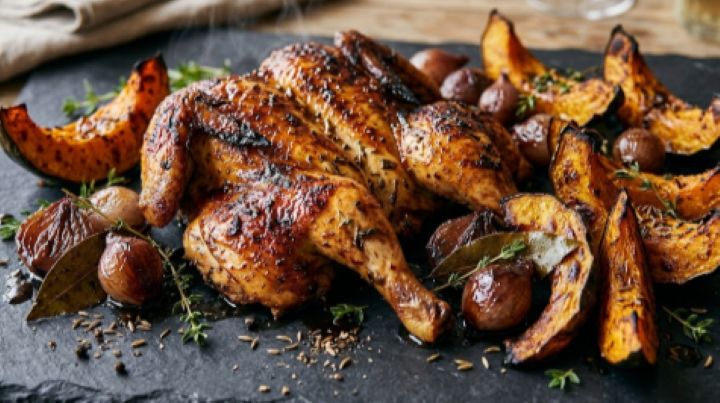 Spiced Marinated Chicken with Squash and Glazed Onions
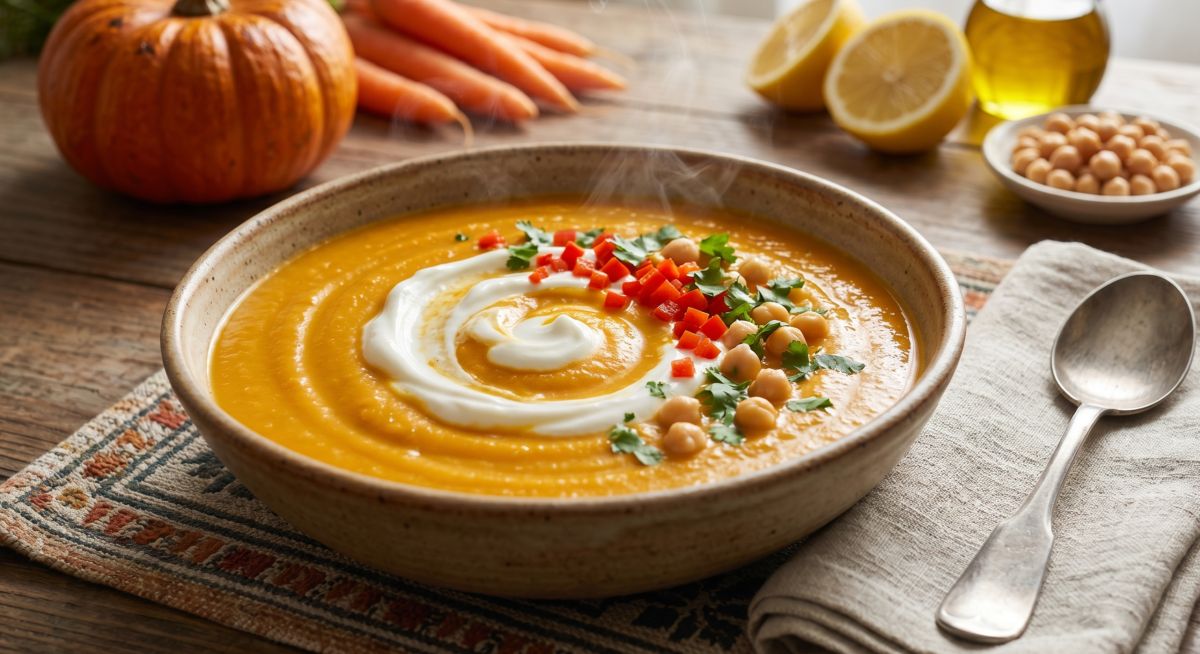
- Cream of Pumpkin Soup with Carrot and Honey
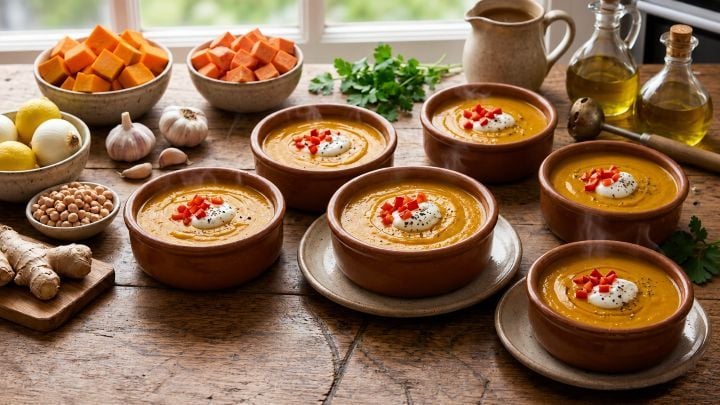 Squash and Sweet Potato Soup with Ginger
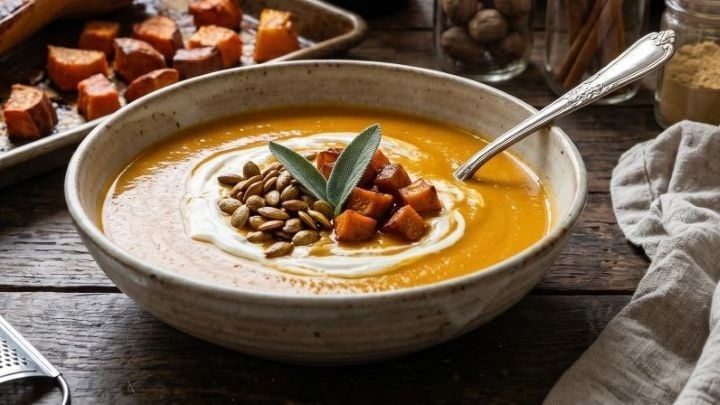 Roasted Pumpkin Soup with Caramelized Sweet Potato
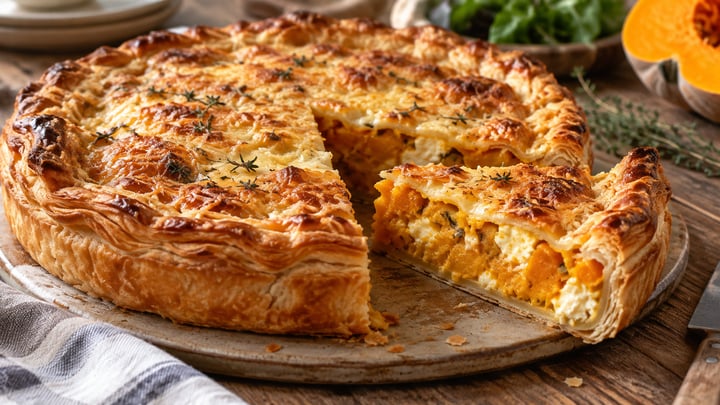 Pumpkin Tart with Mascarpone and Ginger
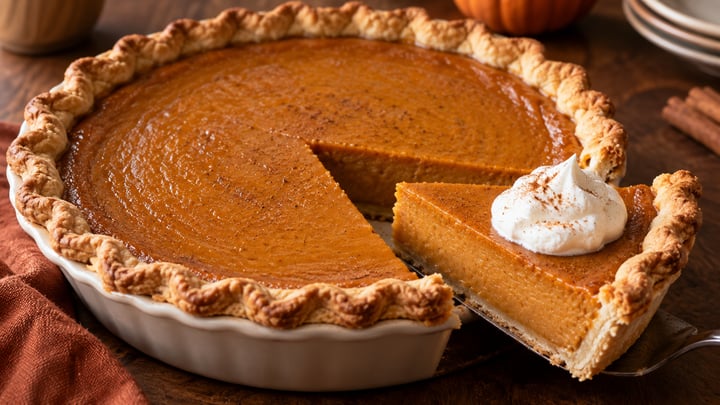 Pumpkin Pie with Sweetened Condensed Milk
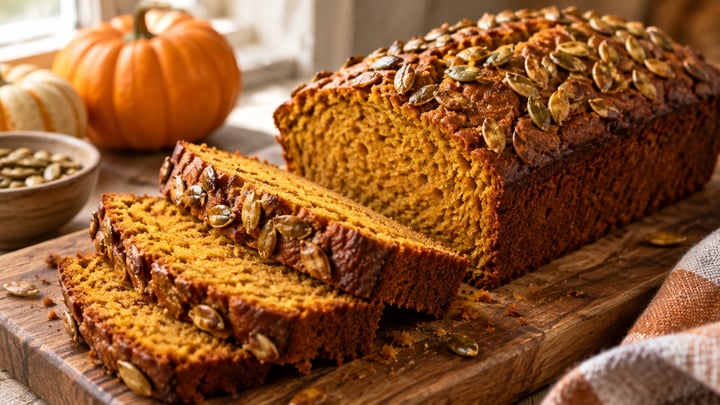 Spiced Pumpkin Bread (Pumpkin Loaf)
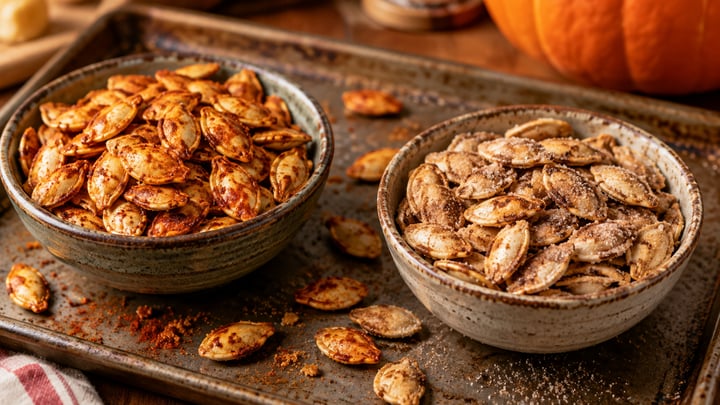 Roasted Pumpkin Seeds
Frequently asked questions
- Are winter squash and pumpkin the same thing?
They are names for fruits of the same family, and which one is used depends on the country: in Argentina, 'zapallo' is the general term, while 'calabaza' is used primarily for butternut. What truly changes from one to another is the variety.
- Which squash is best for purée?
Kabocha or butternut, roasted. They are the driest and sweetest, and they produce a thick purée that does not release water. Waterier varieties are better for soup.
- Is the skin edible?
The skin of the kabocha and Hokkaido, yes: it is thin and softens when cooked. Butternut skin can be eaten when roasted. Hubbard skin, no: it is too hard.
- Can you cook a Halloween pumpkin?
You can, but its flesh is watery and lacks flavor. If you have carved one, it is best to roast the flesh for a long time to let the water evaporate before using it in a soup, and toast the seeds.
Updated on 2026-09-19T21:21:30.188Z