What is beef suet?
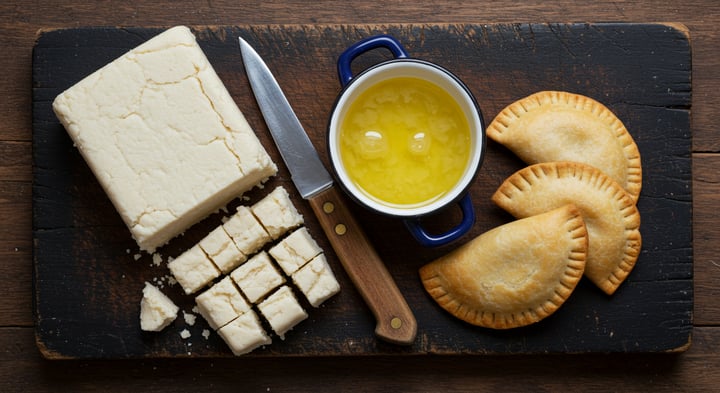
Grasa de pella is the beef fat that surrounds the kidneys of the animal — what English calls suet. It is the purest fat on the animal, with almost no water or connective tissue, and it has a higher melting point than any other cooking fat: it stays solid at room temperature and only melts properly above 40 °C. Those two things, purity and melting point, are what make it irreplaceable in the dough of empanadas from north-western Argentina.
Why butter and oil do not replace it
In an empanada dough, solid fat ends up in sheets through the kneading. In the oven those sheets melt late — because of the high melting point — and the steam they release separates the dough into layers. That is the rustic flakiness of a Salta empanada.
Butter melts far earlier and contains water, so the dough softens instead of flaking. Oil, already liquid, simply cannot form sheets: it gives a tender dough but a flat one.
And in the filling it does something else: as it cools it sets the juices, which is why the empanada can be assembled without leaking. In the oven it turns liquid again and the juice appears.
Suet, rendered fat and tallow
Pella is the raw fat, straight from the animal: a white, crumbly block that has to be melted down (rendered) before use. In English this is suet.
The rendered fat sold in packets has already been melted and strained: more convenient and it works well, though its flavour is more neutral.
Tallow usually refers to the same fat once rendered, and in many places the two words are used interchangeably.
Where to find it
In the UK, shredded suet is a supermarket staple (it is what goes into a steamed pudding), and it works in this dough. Check the box: vegetable suet is a different product and will not behave the same way.
In the US it is not on the shelf: ask at the butcher counter for beef suet, or for kidney fat. It is usually cheap because it is not a cut.
If you cannot find it raw, packaged rendered beef fat or tallow does the same job in the dough; it just brings less flavour.
The recipes
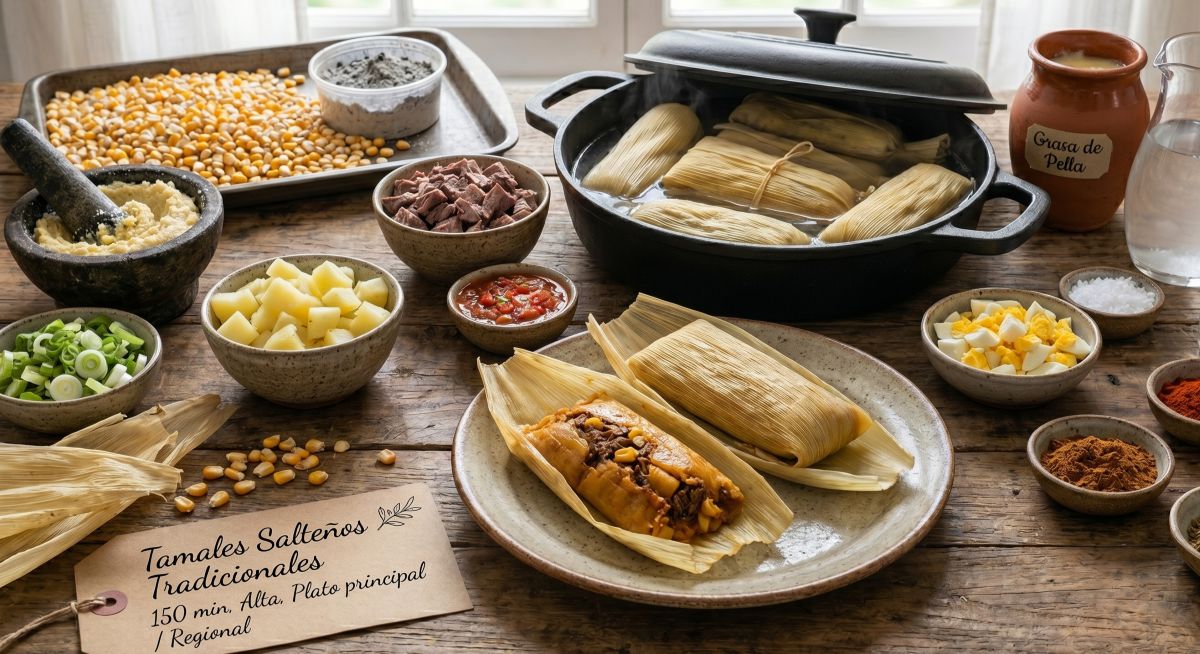 Tamales Salteños – Argentine Corn Parcels
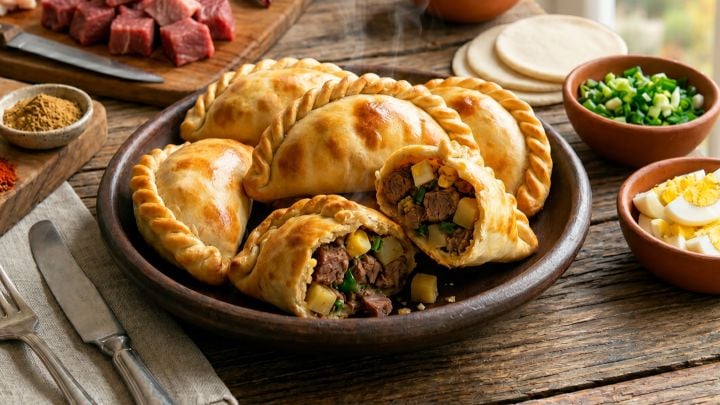 Empanadas Salteñas – Argentine Beef and Potato Turnovers
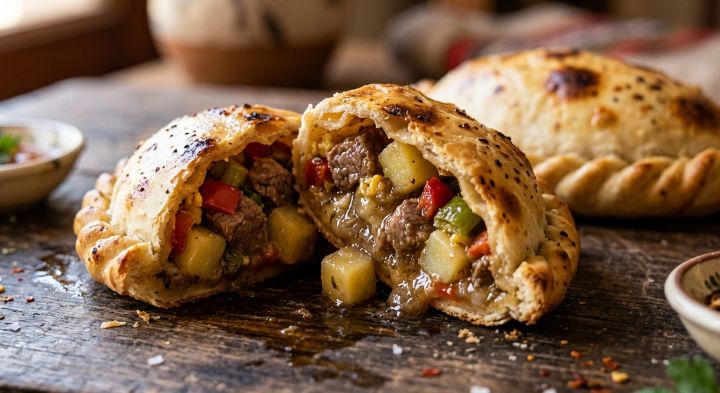 Empanadas Salteñas with Hand-Cut Beef
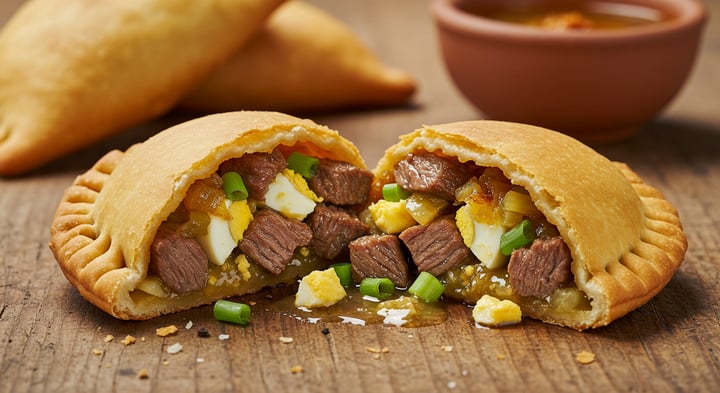 Empanadas Tucumanas – Juicy Beef Turnovers
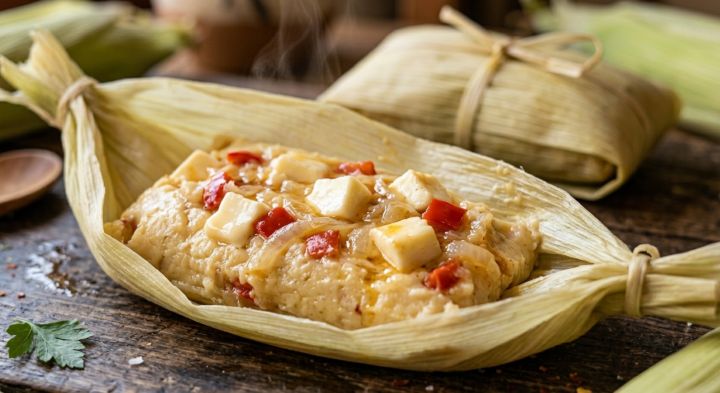 Humitas en Chala – Steamed Corn Parcels in Husks
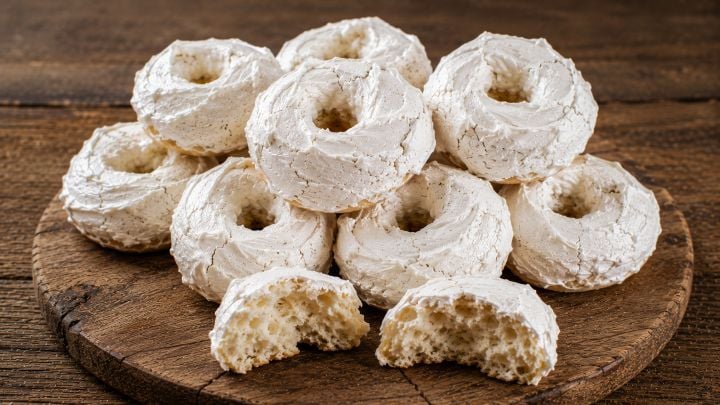 Rosquetes – Argentine Glazed Ring Cookies
- Pan de Campo – Argentine Country Bread
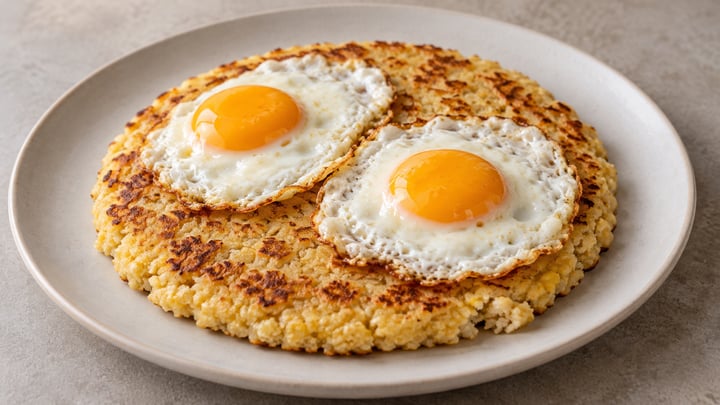 Mestizo Mbejú with Fried Eggs
Here the suet is not melted: it is worked by hand to a creamy consistency and rubbed into the cassava starch until crumbs form. That sandy crumb is the mbejú — melted, the fat turns the mixture into a dough ball and the texture is gone.
Frequently asked questions
- Where do I get beef suet?
From a butcher, asking for it by name. It is usually very cheap or even free, because it is not a cut. In the UK it is also sold shredded in boxes in most supermarkets; in the US, ask the butcher counter.
- Can I use pork lard instead?
You can, and in some regions people do. It changes the flavour — pork fat is sweeter — and its melting point is a little lower, so the flaking is less pronounced.
- How do I render suet?
Cut it into small cubes and melt it over the lowest heat with no water, until the liquid fat separates and the cracklings are left. Strain it and store it; it keeps for months in the refrigerator.
Updated on 2026-10-02